The Golden Lines and Our Relationship with Things
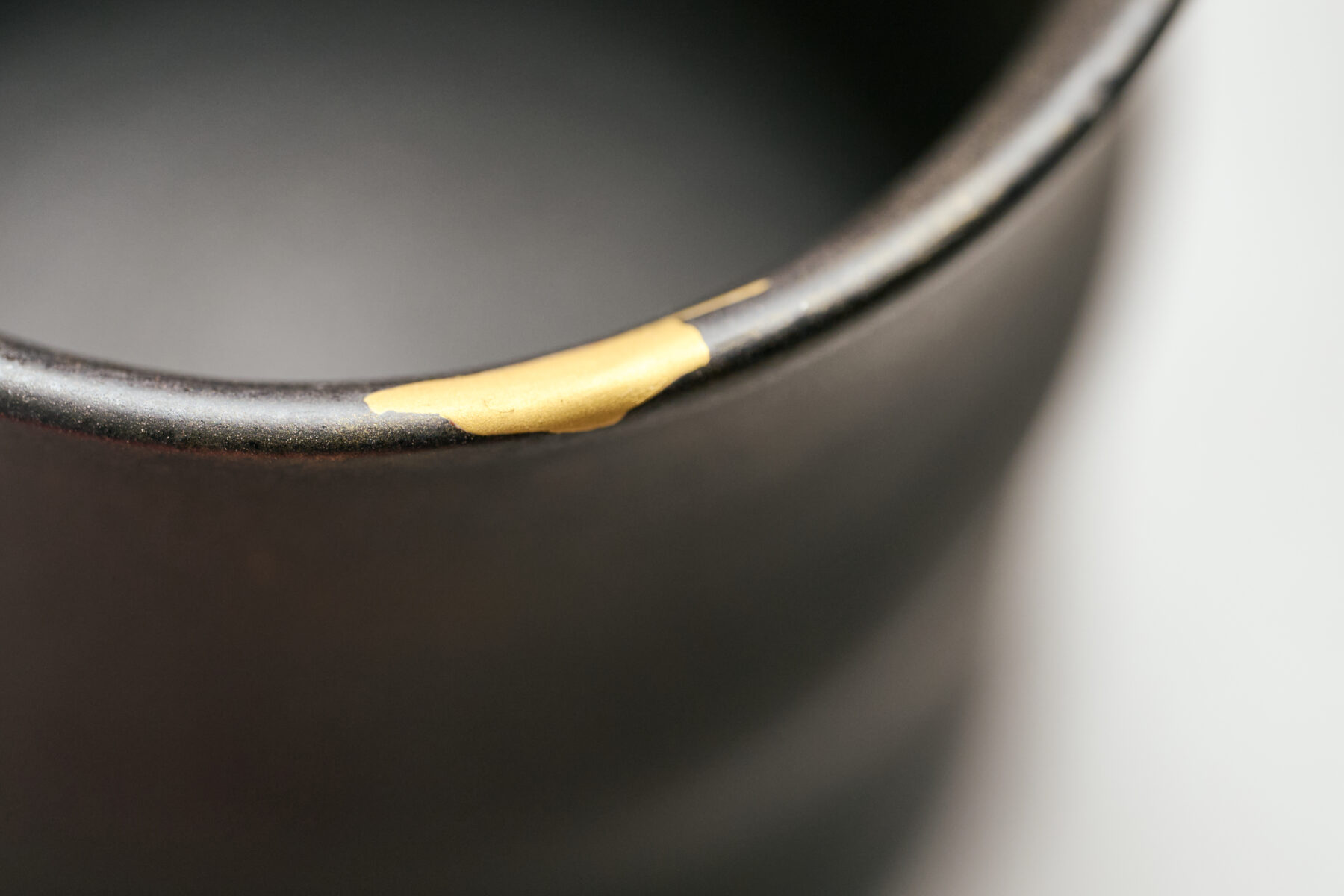
Kintsugi is a traditional Japanese practice in which broken ceramics are repaired using urushi
lacquer, with the repaired lines often finished in gold. While its delicate golden lines have
captivated people around the world, kintsugi reveals something deeper—the relationship
between people and objects, shaped by the time we spend with them, the memories they hold,
and the experiences they become part of.
Through its tradition, craftsmanship, and the hands of those who practice it today, kintsugi
invites us to reconsider what it means to care for the things in our lives.
Finding Beauty in What Was Once Broken
In Japan, objects have often been valued not only for their function, but also for the relationships that develop over time and through use. The marks of use, the changes brought by age, and the traces of everyday life have long been appreciated as reminders of the time and care invested in an object.
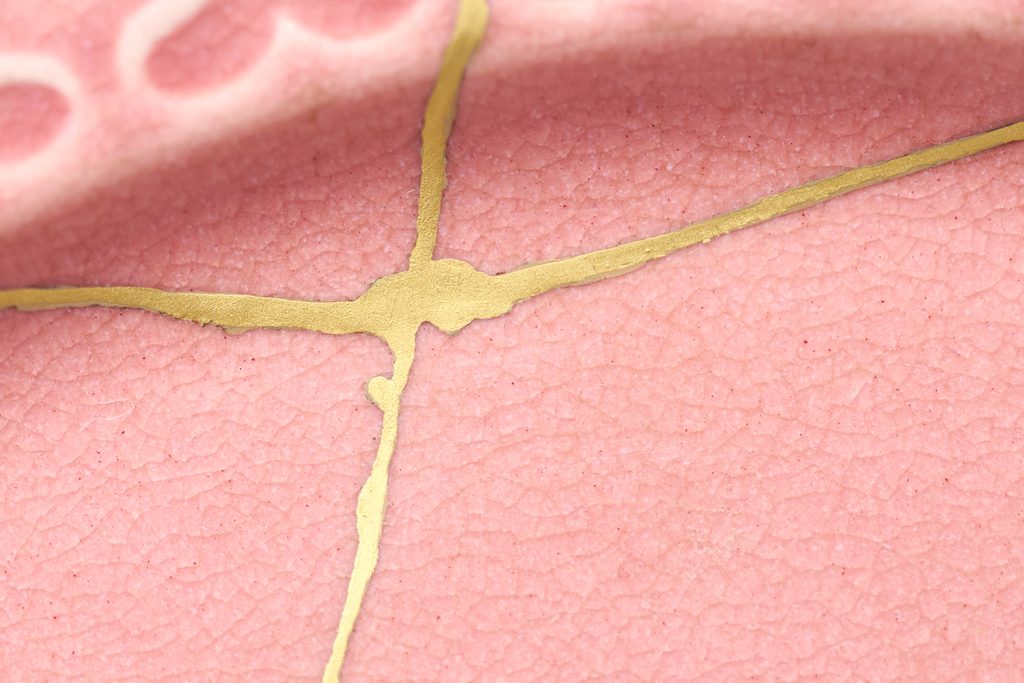
Kintsugi offered a way for broken ceramics to be repaired and used again rather than discarded. As the tea ceremony flourished, this practice became closely connected with the care of cherished tea utensils. Over time, kintsugi came to reflect a deeper appreciation for change, imperfection, and the traces left by time. Rather than hiding cracks and marks of repair, kintsugi reveals them, transforming what was once considered damaged into something with renewed beauty and meaning.
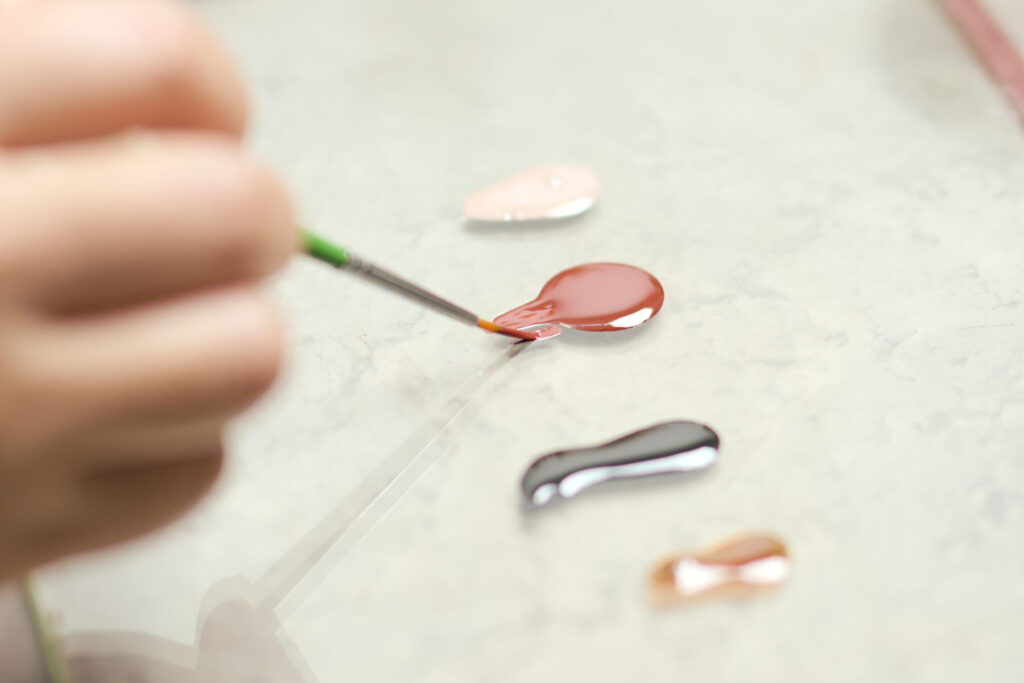
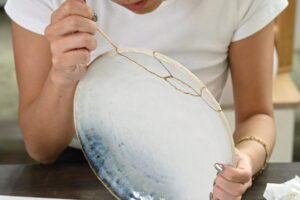
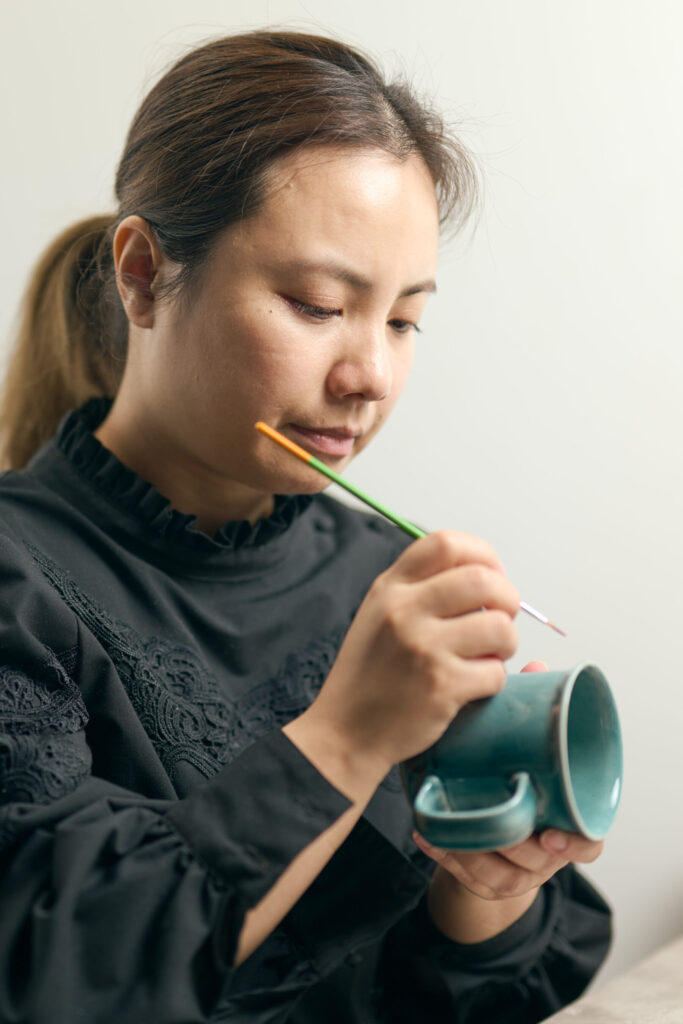
Traditional kintsugi is a delicate process that requires patience, skill, and time. At its heart is natural urushi, the refined sap of the urushi tree—a material that has been used in Japanese craftsmanship for thousands of years. Unlike many materials that dry through exposure to air, urushi hardens by absorbing moisture. Each layer is therefore left to cure in a muro, an enclosed chamber where temperature and humidity are carefully controlled. The artisan observes subtle changes in the lacquer and determines the right moment to begin the next stage.
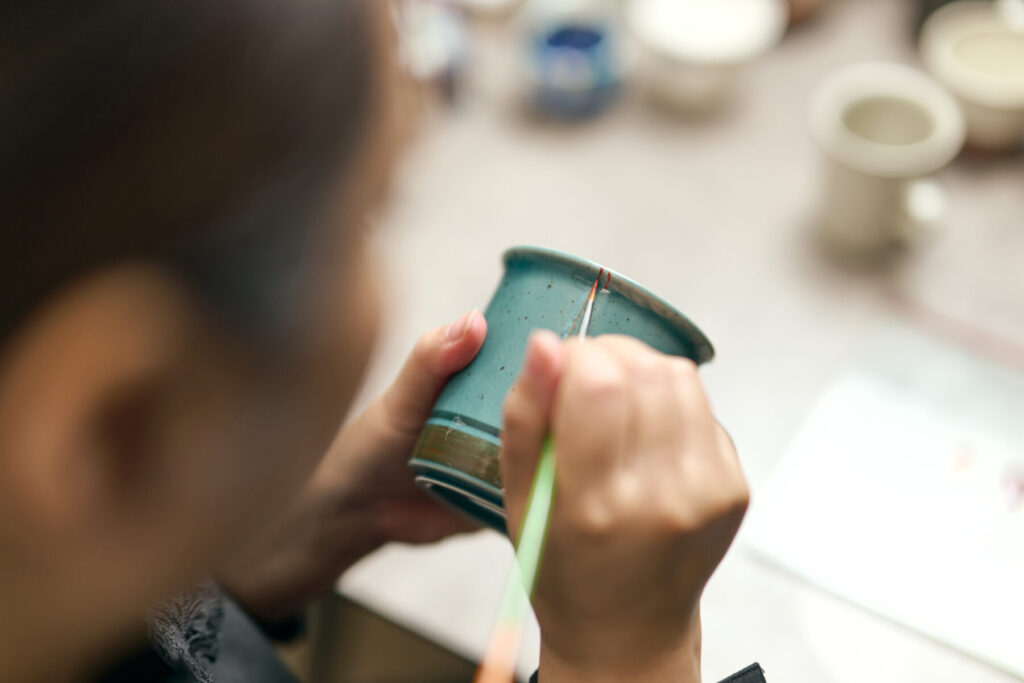
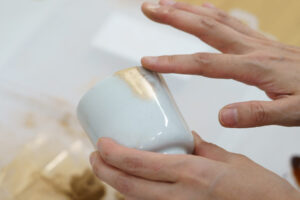
Broken sections are rejoined and missing areas are filled using urushi-based materials. The repair is built up gradually through a series of careful applications, with each layer given time to cure. Gold is not used to hold the object together; it is applied only in the final stages to highlight the repaired lines. Depending on the object and the artisan’s intention, the piece may instead be finished with silver, brass, or urushi lacquer alone.
The time required varies according to the condition of the piece and the method used, with some repairs taking several months to complete. Each restored piece preserves its history while taking on a new expression.
Born in Ishikawa Prefecture and now based in Tokyo, kintsugi artisan Rie Gosha draws inspiration from the region’s long-standing urushi culture while practicing traditional kintsugi techniques.
For Gosha, every piece she is asked to repair begins with a personal story. The reasons people choose to restore their ceramics are as unique as the objects themselves. Some pieces are treasured belongings inherited from a beloved grandfather who has passed away; others are dishes once used by children who are now grown, or everyday objects filled with personal memories.
For their owners, the value of these objects is not determined by their price or origin.
“Whether the same item is still available today does not matter. What matters is the memories held within the piece and the experiences shared with it.”
Traditional kintsugi can be costly because of the time, skill, and materials involved. Yet some people bring Gosha items originally purchased from a 100-yen shop. What matters to them is not the price of the piece, but the memories and connections attached to it.
Through use and memory, even an ordinary object can become truly irreplaceable. Her words reveal that kintsugi is not simply about repairing what is broken, but about sustaining the value already held within an object. The marks of repair become part of its continuing story—and of the owner’s relationship with it.
When restoring a piece, Gosha always imagines the person who will use it again. She considers not only how the repair will look, but also how the object will feel in the hand, whether it will have the strength needed for continued use, and how it will fit back into everyday life. The repaired areas must feel smooth and natural, while the finish should complement the character of the piece.
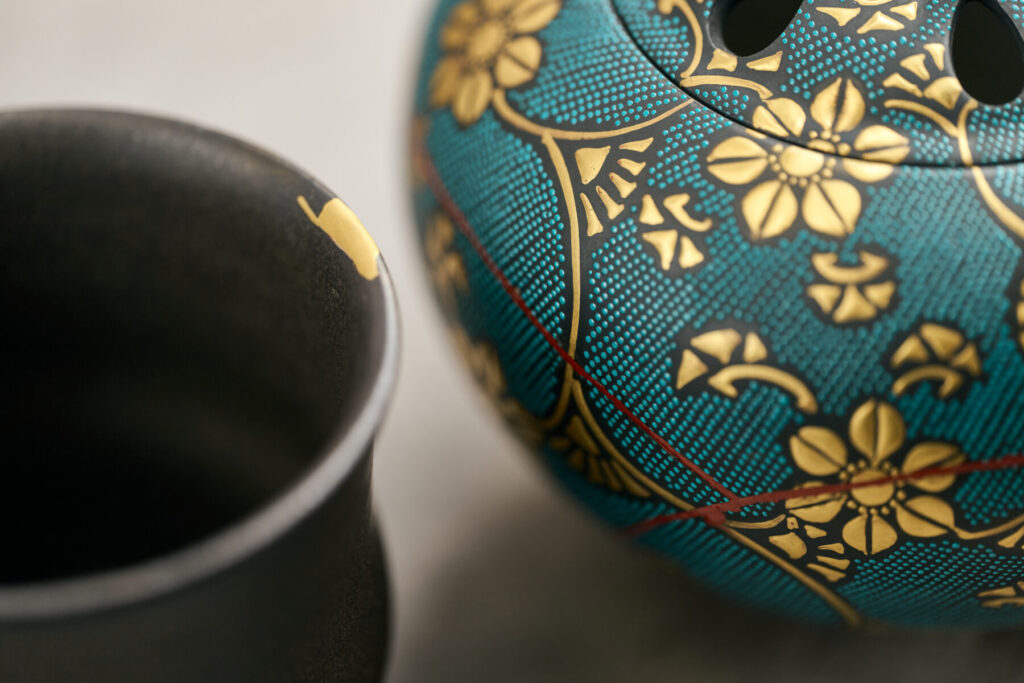
“Gold is not always the answer. Each piece has its own character, and the most suitable finish depends on the object itself. I choose the method that allows the piece to continue being loved and used.”
Rather than applying the same approach to every repair, Gosha considers each object’s shape, material, and history before choosing the most appropriate finish—whether gold, silver, or natural urushi. Her work does not overwrite the life of an object; it allows that life to continue.
Taking the time to care for the things around us allows us to build a deeper relationship with them. In an age of abundance, kintsugi quietly reminds us to cherish what is already part of our lives.